The blacklist · Status verified October 2026

Names we've checked.
Sources you can read.

Nine case files covering more than $7 billion in documented fraud. No unnamed "insiders", no screenshots-of-screenshots — every entry links the regulator, court or newsroom that established the facts. If a claim can't survive that test, it doesn't go on this page.

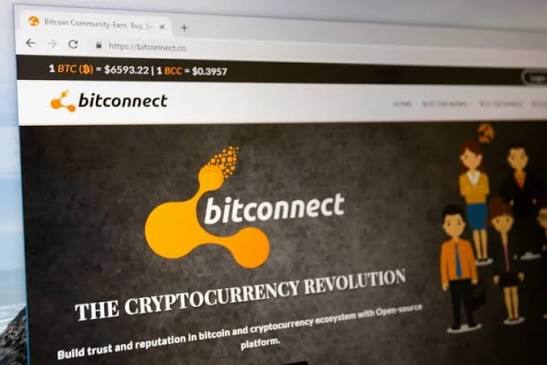
Bitcoin-style emblem illustrating the BitConnect lending scheme

BitConnect

Shut downPromoters charged

The most famous Ponzi of the last cycle. BitConnect promised a "volatility trading bot" with returns of roughly 1% per day, paid early users with later users' deposits through its BCC token, and collapsed in January 2018 after regulators in multiple US states issued cease-and-desist orders. Promoter Glenn Arcaro personally took at least $24 million and settled with the SEC; founder Satish Kumbhani was indicted by a US grand jury.

~$2.4BVictim losses
2016–2018Active
bitconnect.comPrimary domain
SEC litigation release — promoter settlement
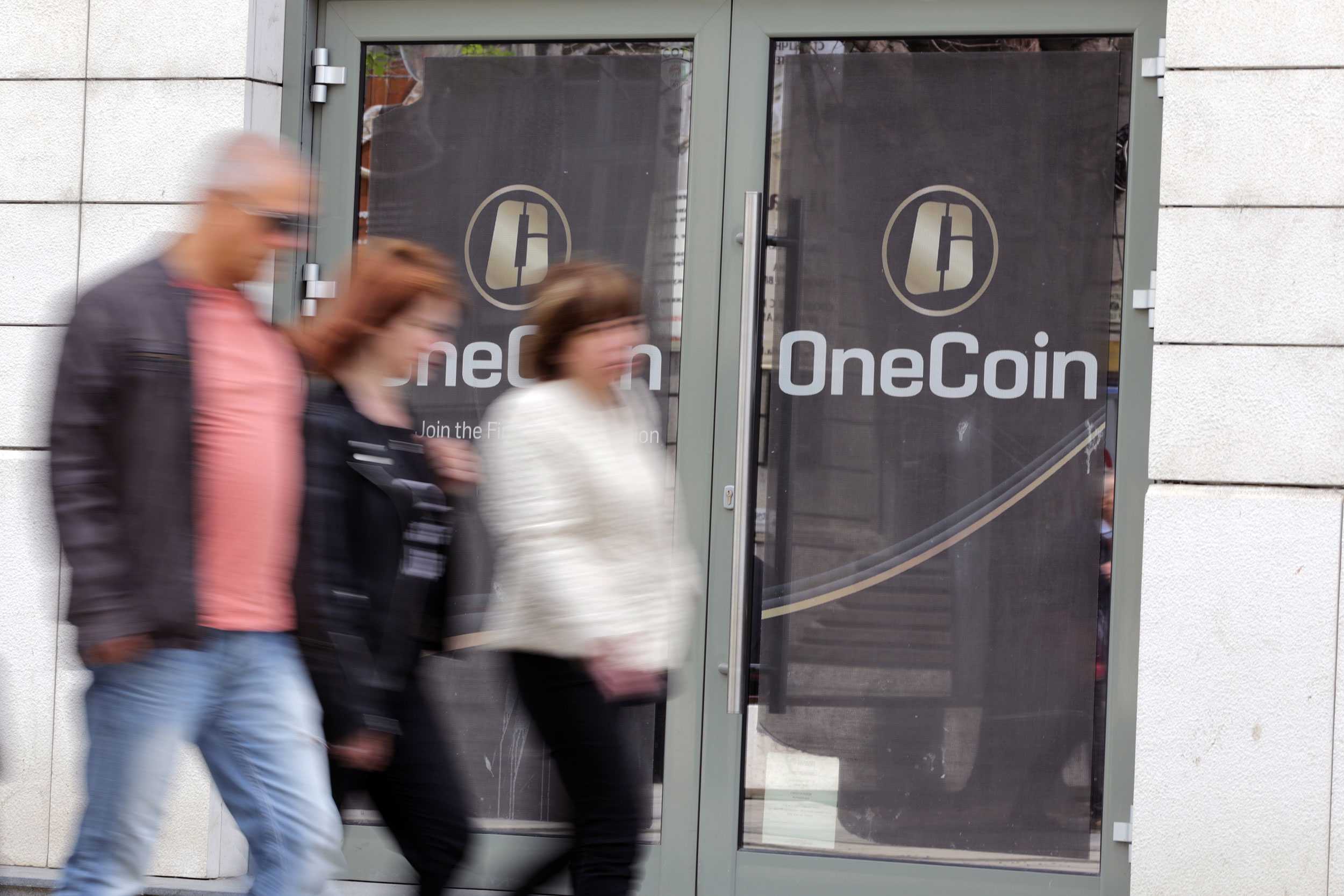
OneCoin logo on the office doors of the company

OneCoin

DefunctFounder on FBI Top 10

Marketed as the "Bitcoin killer", OneCoin had no blockchain at all — a spreadsheet wearing a coin's costume. It ran as a multi-level marketing pyramid across 175 countries while founder Ruja Ignatova, the self-styled "Cryptoqueen", took in an estimated €4 billion. She disappeared in October 2017, was added to the FBI's Ten Most Wanted Fugitives list in 2022, and remains at large. Co-founder Sebastian Greenwood was sentenced to 20 years in US federal prison.

€4B+Victim losses
2014–2017Active
onecoin.euPrimary domain
FBI Ten Most Wanted — Ruja Ignatova
Illustration representing the PlusToken wallet scheme

PlusToken

Operators convicted

A mobile "interest-bearing wallet" that promised 10–30% annual returns and paid out in its own token. At its peak it held hundreds of thousands of bitcoin and ethereum from more than two million members, making it the largest known crypto Ponzi of its era. Withdrawals froze in June 2019 and the operators fled with the funds; Chinese courts sentenced 27 members to prison in 2022, with sentences up to 11 years.

$2B+Victim losses
2018–2019Active
2M+Reported members
Case overview — PlusToken
Illustration representing the Forsage smart contract scheme

Forsage

ChargedFounders indicted

"The first decentralized smart contract" was a classic pyramid wearing code as camouflage. Members bought slots in X3 and X4 recruiting matrices, and payouts came entirely from new members' buy-ins — over $340 million from millions of retail investors across Ethereum, Tron and Binance Smart Chain. The SEC charged eleven promoters in August 2022, and the US Department of Justice indicted the four founders the same week.

$340M+Victim losses
2020–2022Active
forsage.ioPrimary domain
SEC press release — Forsage charged
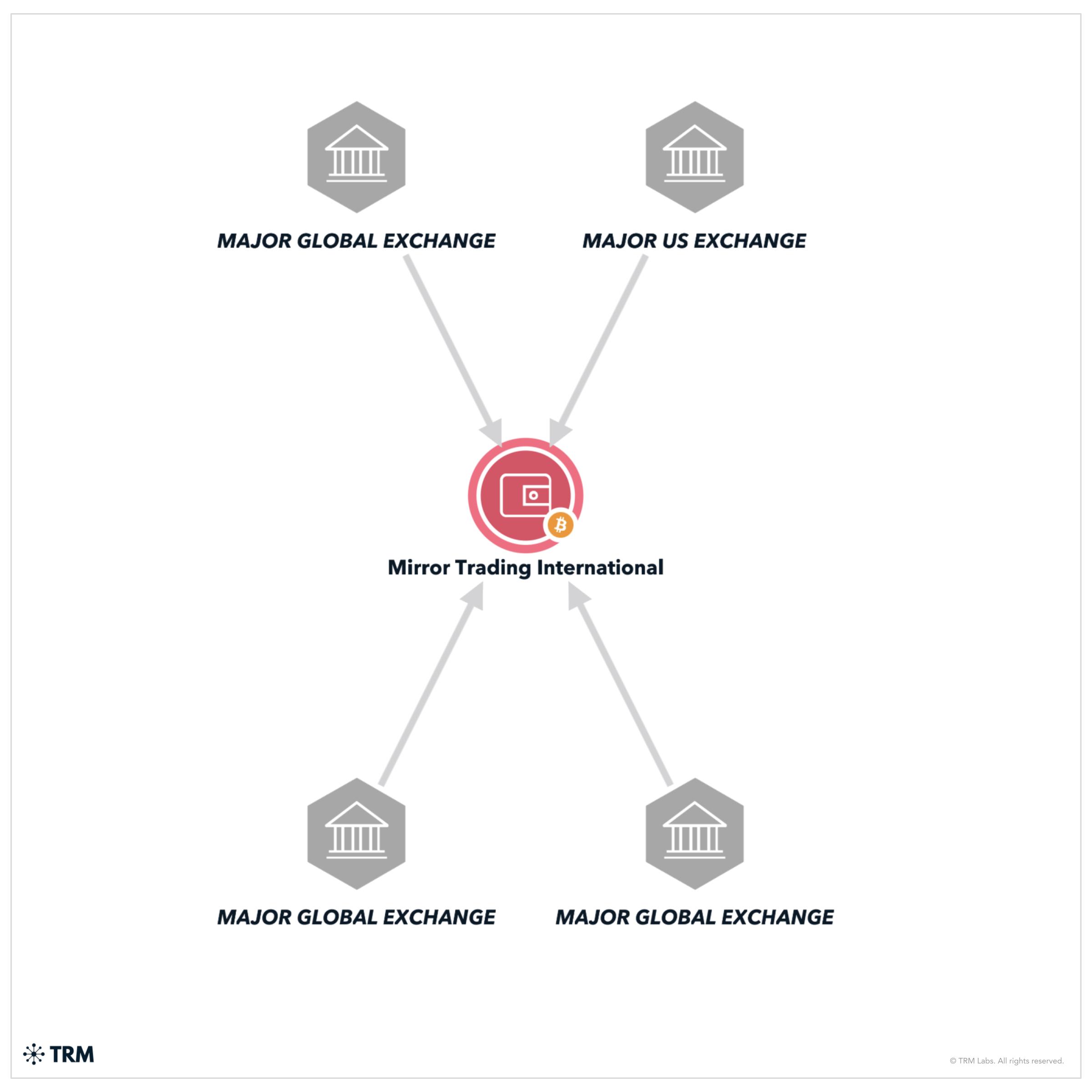
Illustration representing the Mirror Trading International scheme

Mirror Trading International

ChargedCEO arrested

A South African "bitcoin mirror-trading club" that claimed to copy professional traders' strategies automatically. In reality there was no meaningful trading: the CFTC alleged CEO Cornelius Johannes Steynberg accepted at least 29,421 bitcoin — roughly $1.7 billion at the time — from more than 23,000 members in an unregistered commodity pool. MTI collapsed in 2020; Steynberg was arrested in Brazil in 2022, and the case remains one of the largest bitcoin frauds ever charged by the CFTC.

23,000+ BTCVictim losses
2019–2020Active
~$1.7BAt charge value
CFTC press release 8582-22
Illustration representing the Squid Game token rug pull

Squid Game Token (SQUID)

Drained

A "play-to-earn" token riding the Netflix show's name in November 2021. The token rose thousands of percent in a week — and holders discovered they could buy but not sell, thanks to a hardcoded anti-dump mechanism. The developers cashed out roughly $3.3 million from the liquidity pool and vanished, sending the token down 99.99%. A textbook rug pull: hype, lock-up, drain, gone.

$3.3M+Drained from holders
Nov 2021Collapse
−99.99%Token price
BBC News — Squid token collapses
Egyptian jackal artwork representing the AnubisDAO NFT project

AnubisDAO

Funds vanished

An NFT project with serious backing hype that raised roughly $60 million in a token sale on October 28, 2021 — and within about 19 hours, the entire raise had moved out of the project's treasury. There was never a product, a whitepaper was thin, and the anonymous team disappeared. Chainalysis called it the second-biggest rug pull of 2021. Every NFT minted was for a collection that would never exist.

~$58MDrained in hours
Oct 2021Collapse
19 hrsFund lifespan
Chainalysis — 2021 scam revenues analysis
Screenshot-style illustration of the Bitcoin Loophole fake trading site network

Bitcoin Loophole & clone network

ActiveRegulator warnings

Not one site but a hydra: bitcoinloophole.com and hundreds of clones (Bitcoin Evolution, Immediate Edge, Bitcoin Era and friends) that promise guaranteed profits from "AI trading bots", fake celebrity endorsements including deepfaked videos, and a $250 "deposit" that disappears into unregulated brokers. The UK's FCA maintains a warning list of these unauthorised firms and the CFTC has issued standing alerts about fraudulent digital-asset trading platforms. New domains appear weekly — the brand is the scam, the URL is disposable.

100sKnown clone domains
OngoingStatus
$250Typical hook deposit
FCA warning list — unauthorised firms
Warning alert glowing on a dark laptop screen

Fake wallet & giveaway sites

ActiveRecurring waves

After Ledger's customer database leaked in 2020, victims received phishing emails and SMS pointing to cloned "Ledger Live" download pages and fake hardware-wallet stores; parallel waves copy Trezor, MetaMask and Trust Wallet. The same machinery powers the endless "celebrity giveaway" livestreams that promise to double any deposit. Domains rotate faster than any static list can track — which is exactly why we check names against live reports and why you should verify the exact domain before typing a seed phrase anywhere. The FTC's phishing guidance explains the playbook.

1000sDomains observed
OngoingStatus
WavesAfter every breach
FTC — phishing scams guidance
The recurring characters

Six patterns behind almost every case.

Guaranteed returns

Any yield described as "guaranteed", "daily" or "risk-free" is a Ponzi until proven otherwise. Real trading has losing days.

Recruiting as income

If your biggest earn comes from signing up others — via referral ladders, matrices or "teams" — you're looking at a pyramid, whatever the whitepaper says.

Fake support agents

Nobody from any real wallet company will ever ask for your seed phrase. "Support" in DMs is always the attacker.

Double-your-deposit giveaways

Livestreams and ads promising to multiply crypto you send. They never send anything back. Ever.

Clone apps & stores

Fake wallet apps in app stores and "discount" hardware stores. One star review patterns, fresh domains, broken English — then your keys.

Romance + investment

"Pig butchering": weeks of friendly chat, then a "can't-lose" platform. The platform is the scam; the friend is the lure.

How we verify

What it takes to land on this page.

Two independent sources, minimum

A case enters the blacklist only when we can cite at least two independent sources: a regulator or court action, plus a major newsroom or on-chain analytics firm. Press releases from the project itself, anonymous Telegram channels and "leaked spreadsheets" don't count as sources — they're the raw material scams are made of.

Status is checked, not assumed

Every entry carries a status — active, charged, shut down or defunct — and we re-check statuses during each review cycle. Statuses on this page were last verified in October 2026. Domains change hands, clones spin up weekly, and a case that is "dead" can resurrect under a new name; when we see that, we link the new record to the old one.

Corrections are public

If a record is shown to be factually wrong, we correct or retract it publicly with a note explaining what changed. What we never do is delist an entry for payment, pressure, or lawyers without evidence. Disputes go to reports@kunch.shop and get a human answer within a week.

This list is educational

The blacklist documents fraud for research and consumer protection. It is not legal advice and naming a site here is not a court finding — every entry links the actual findings so you can read them yourself. Nothing on this page should be read as an accusation against any person not already charged or convicted by the cited authorities.

Report a scam

Found something that belongs here?

Send the domain, what happened, and anything you can document — screenshots, transaction hashes, the ad that hooked you. We verify every report before anything is published, and we'll tell you either way.