Crypto security, without the noise.
Kunch is an independent research foundation. We buy every hardware wallet we review with our own money, document the scam operations behind the headlines, and build a small suite of crypto tools — eight today, all free and fully offline.
We spend our own money first.
Every wallet on this site was bought at retail price with foundation funds — not sent to us by a manufacturer. Every blacklist entry is backed by at least two independent sources: a regulator, a court, or a major newsroom.
Claims get re-checked. Constantly.
Firmware signatures, official store prices, domain histories — all re-verified before publishing and after it. When a price changes or a scam domain comes back online, the page changes with it. No trophy shelf of stale reviews.
Free to read. Free to query.
Everything we publish is free, and the entire blacklist is open through the Kunch API. No paywalls, no sponsored placements, no affiliate links dressed up as advice. If we ever take a sponsor, it will say so on this page.
Four things.
Done properly.
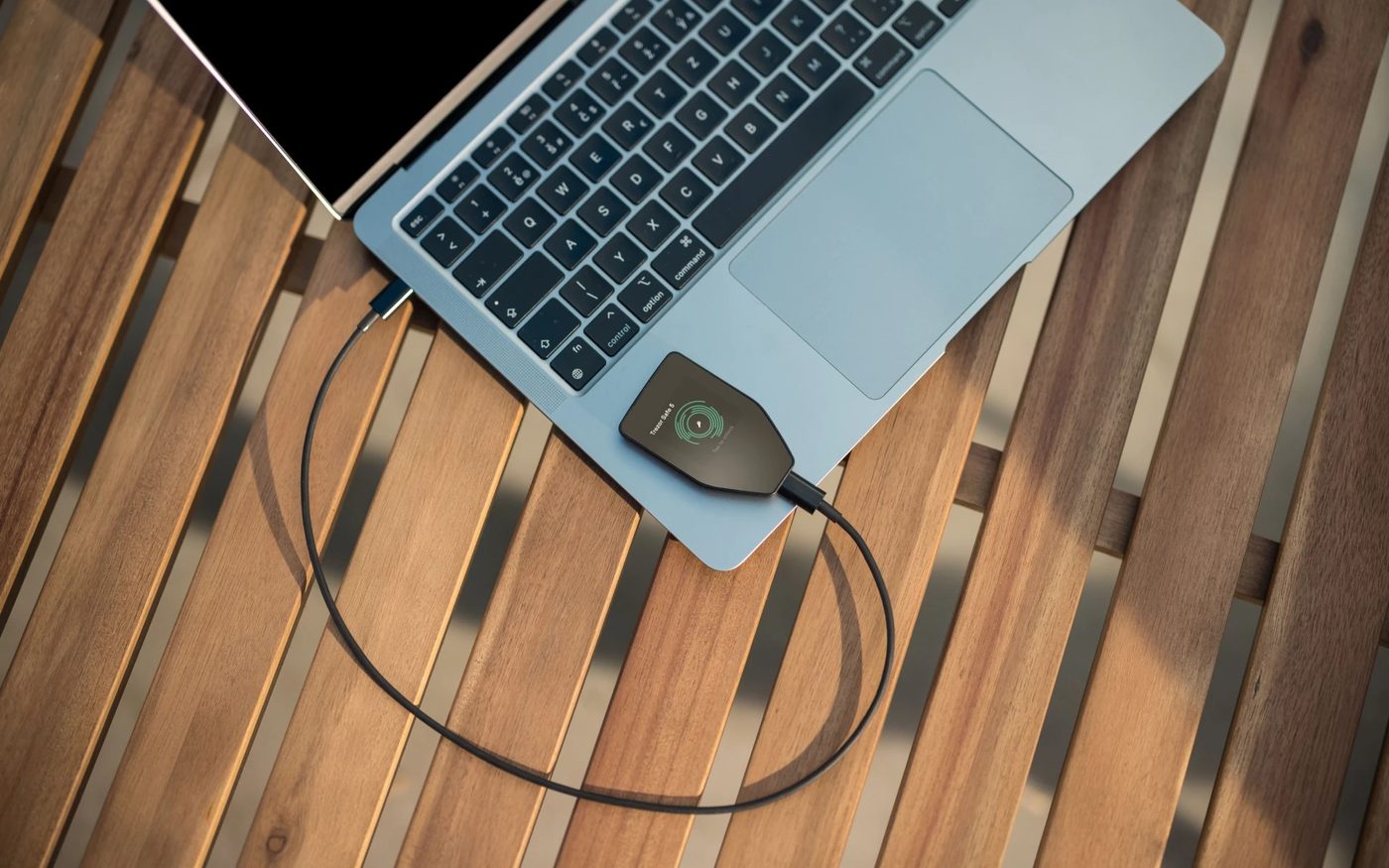
Hardware wallet reviews
Ten devices bought at retail, tested with real transactions, ranked with zero sponsor input. If we wouldn't use it, we say so.
See the wallets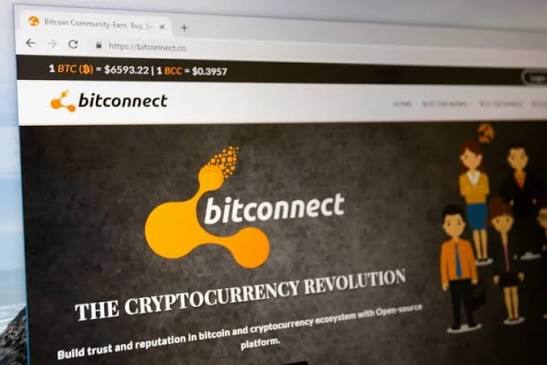
The public blacklist
Documented scam operations with sources you can check — regulators, courts and newsrooms. Nine case files, more added as they're confirmed.
View the blacklist
8+ crypto tools
A sharp toolkit for keys, addresses and transactions — all eight live today, running entirely in your browser. Save the page and they work offline.
Open the tools
Open API
Every blacklist record, free to query. Full documentation, honest rate limits, and a free tier that stays free.
Read the docsTested with our
own money.
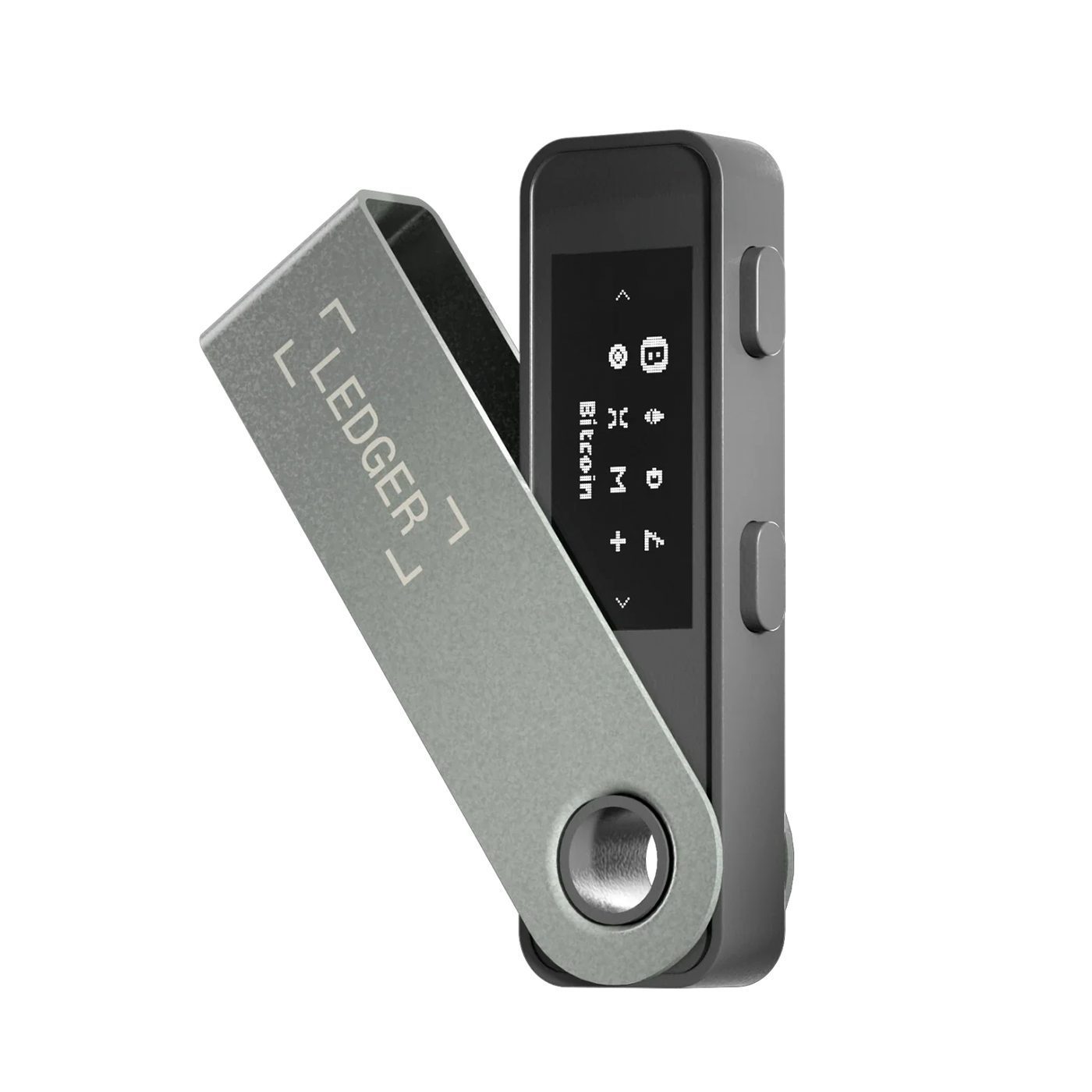 Best overall
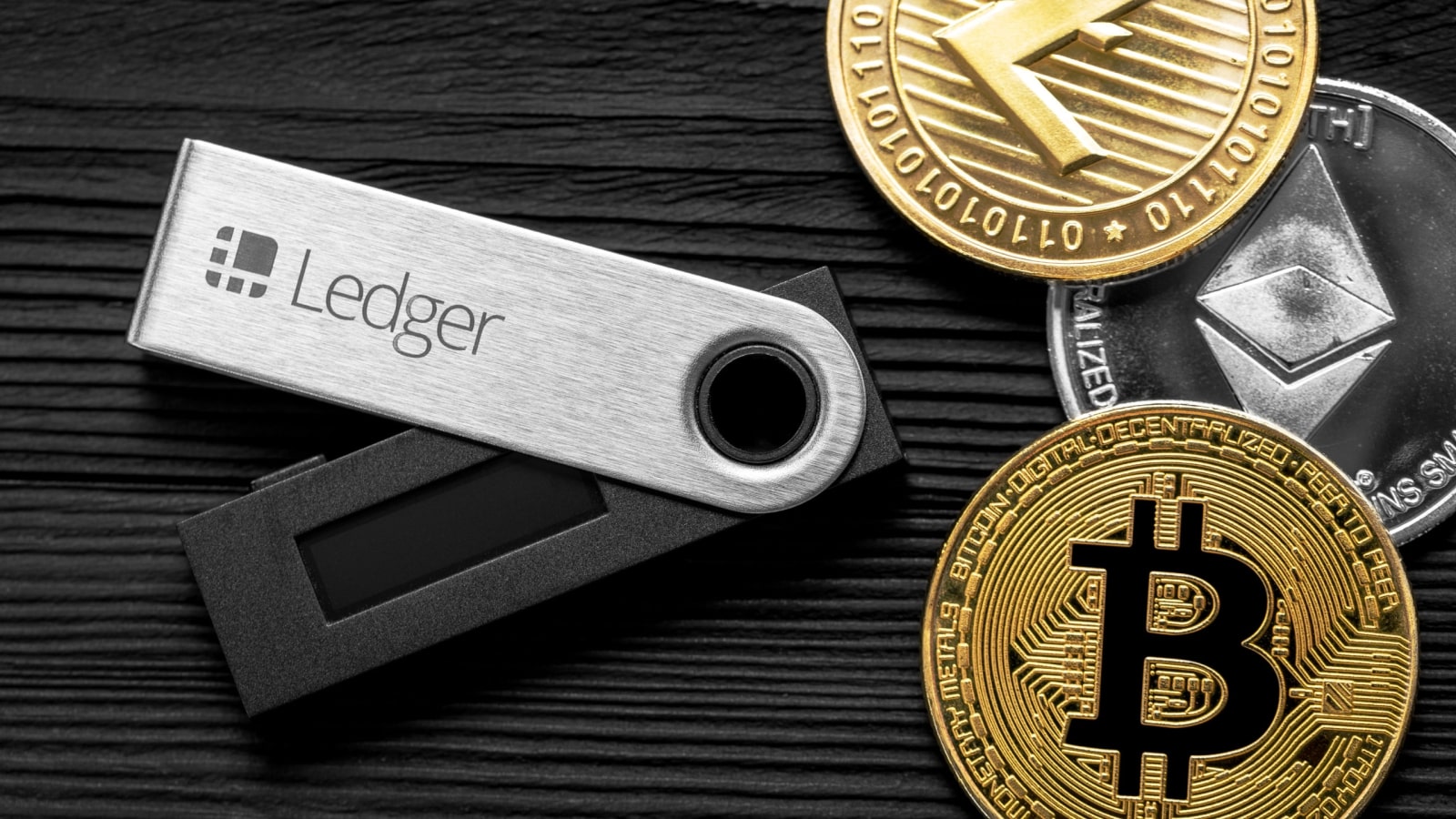
Ledger Nano S Plus
The default answer to "which wallet should I buy?" — a certified secure element, open Ledger ecosystem, and a price that stays at $79.
From $79 · ledger.comBest touchscreenTrezor Safe 5
A gorgeous haptic touchscreen over an EAL6+ secure element, from the most transparent firmware team in the industry. Now $129.
From $129 · trezor.io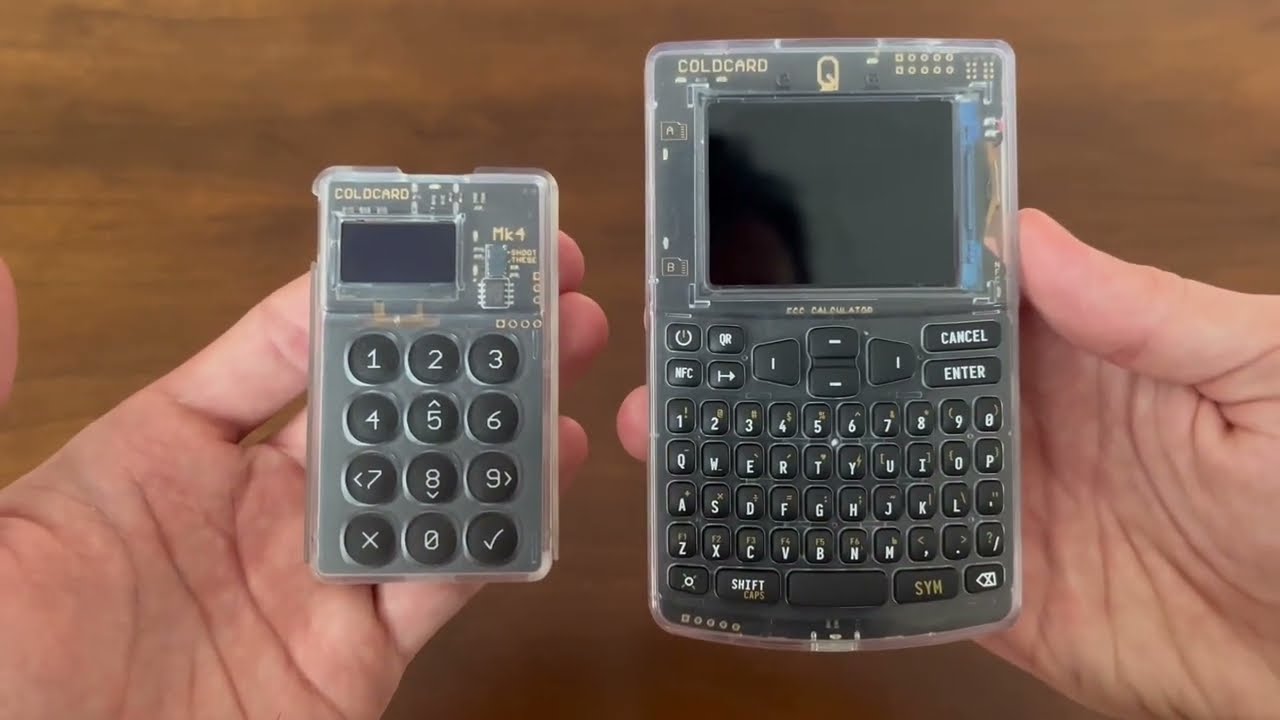 Best for Bitcoin
COLDCARD Q
Fully air-gapped, dual secure elements, and a keyboard that never needs to touch your computer. Paranoid engineering for Bitcoin only.
From $319 · store.coinkite.comDocumented,
not gossiped.
BitConnect
The "$2.4B lending bot" that paid early users with later users' money until it collapsed in January 2018. Its promoter paid $24M to settle with the SEC.

OneCoin
A "Bitcoin killer" with no blockchain, which took in roughly €4 billion. Its founder, Ruja Ignatova, vanished in 2017 and is on the FBI's Ten Most Wanted list.
Forsage
A "smart contract" pyramid that collected over $340 million from millions of retail investors. The SEC charged its promoters in August 2022.
Eight tools.
Zero fluff.
Seed Validator
Validate a BIP-39 mnemonic's words and checksum before you trust it — offline.
Address Codec
Base58Check, Bech32 and EIP-55 encoding, decoded and explained in one place.
Hash Toolkit
SHA-256, Keccak-256 and RIPEMD-160 with plain-English notes on where each is used.
Tx Decoder
Paste a raw signed transaction and see exactly what it does before you broadcast it.
Vanity Generator
Custom address prefixes, generated locally. Keys never leave your machine.
Blacklist Checker
The Kunch blacklist as a lookup box — loads its JSON database, works offline.
KID Generator
A public, shareable KID — KID. + encoded key, all four major Bitcoin addresses, verified offline.
Unit Converter
Wei, gwei, satoshi, bits — plus vB × sat/vB fee math. The boring tool you'll use daily.
Writing that
shows its work.
The no-nonsense hardware wallet buying guide
What actually matters when you spend $50 — or $370. Price tiers, secure elements, air gaps, and where to safely buy.
Read the guide
Eight crypto scams that defined a decade
BitConnect to Squid: $10 billion in documented losses, and the same five tricks behind nearly all of them.
Read the cases
How to spot a fake crypto website
A five-minute inspection routine that catches most phishing pages before they catch you — no security degree required.
Learn the routineAsked often.
Answered straight.
Is Kunch affiliated with any wallet manufacturer?
No. Every device we review is bought at retail price with foundation funds. Manufacturers do not get early access, do not preview verdicts, and cannot buy a placement. When a manufacturer stops making a good product, the page says that too.
How does Kunch make money?
The Kunch Foundation funds the work directly. There are no sponsored posts, no paid rankings, and no affiliate links presented as advice. Wallet "buy" buttons point to official manufacturer stores so you always buy from the source — we link there because it's the right destination, not because it pays.
How are blacklist entries verified?
Each entry requires at least two independent sources — typically a regulator action, a court filing, or coverage by a major newsroom. Every case page links its sources so you can check our work. If a record is ever shown to be wrong, it comes down with a public correction. See how we verify.
Is the Kunch API free?
Yes. The free tier gives you 60 requests per minute with an API key and full access to blacklist lookups — the same data on this site. Higher-rate tiers exist for platforms screening traffic at scale, and their pricing is published on the API page. No credit card for the free tier.
Are the tools really offline?
Yes — every one of the eight tools is pure client-side JavaScript with zero network requests: no accounts, no server calls, no telemetry. Save the page with Ctrl+S / Cmd+S, choose "Webpage, Complete", and it keeps working from the saved file even with the network disconnected. The blacklist checker ships with its scam-domain database as a JSON file, so lookups work offline too.
Can you remove my site from the blacklist?
Only if the record is factually wrong. Send evidence to our disputes address and we'll correct or retract publicly. What we don't do is delist for payment — that would make the entire site worthless as a signal, and we'd rather shut down first.
Before you connect a wallet, check the name.
It takes ten seconds to search a domain against the blacklist. It takes a lot longer to recover funds that are gone.